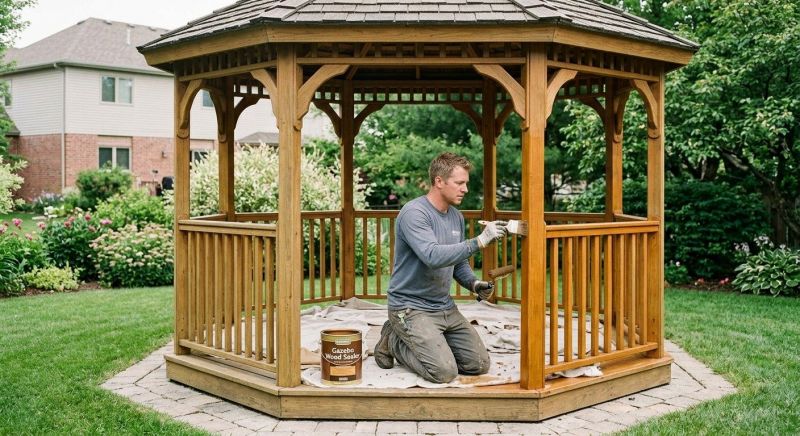
Veranda Sealing in Kitsap County, WA
Veranda sealing services involve applying protective coatings to outdoor porch or deck surfaces to help prevent damage from moisture, UV rays, and general wear. This process is suitable for various projects, including wood, composite, or concrete verandas, and is often requested to extend the lifespan of the structure while maintaining its appearance. Homeowners typically seek this service to preserve the integrity of their outdoor living spaces, reduce maintenance needs, and keep their verandas looking attractive over time.
Before requesting veranda sealing, property owners usually want to understand the types of sealants used, the preparation required for their specific surface, and how the sealing process can impact the look and durability of their veranda. It’s also helpful to know about the recommended frequency of reapplication and any precautions needed to protect nearby landscaping or furniture during the process. Clear information about these aspects can assist in making informed decisions to protect and enhance outdoor spaces effectively.
Many property owners in Kitsap County, WA look into Veranda Sealing for repairs, replacements, upgrades, and appearance-related improvements.
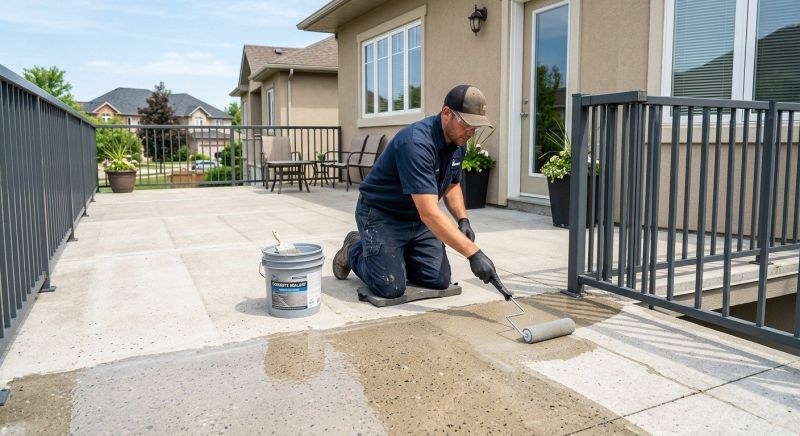
Benefits Of Veranda Sealing
Sealing helps protect your veranda from moisture, uv damage, and everyday wear.
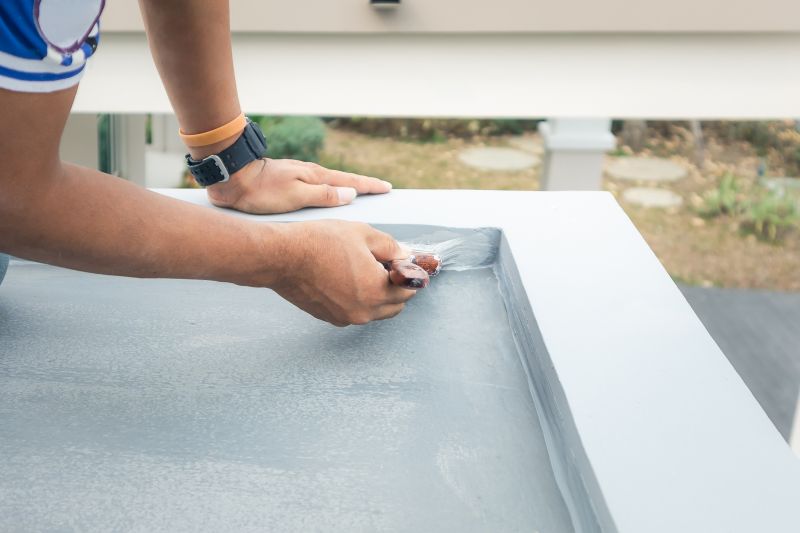
Types Of Sealing Products
Different sealants are available to enhance durability and appearance based on your veranda’s material.
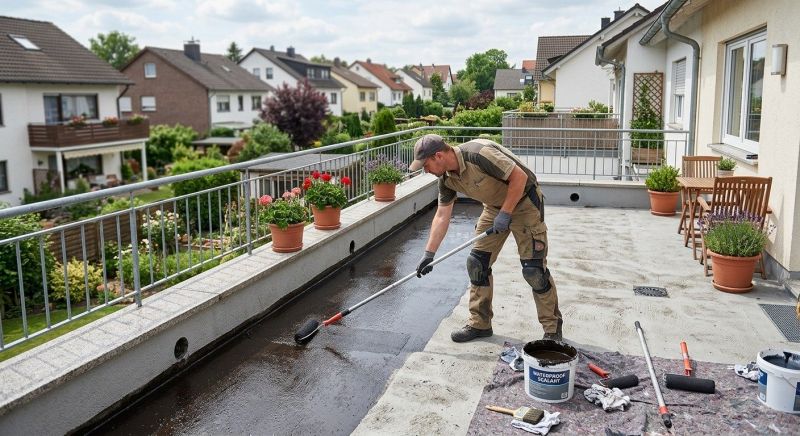
Maintenance And Longevity
Regular sealing extends the life of your veranda and keeps it looking its best in kitsap county's climate.
Veranda Sealing in Kitsap County, WA
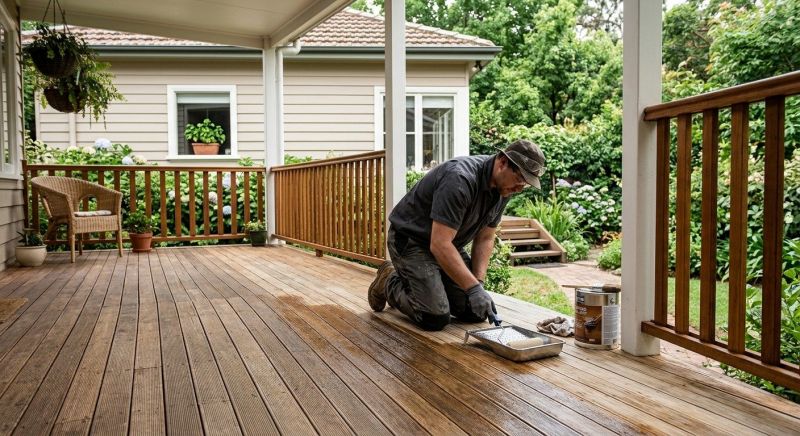
Veranda sealing services involve applying protective coatings to outdoor porch or deck surfaces to help prevent damage from moisture, UV rays, and general wear. This process is suitable for various projects, including wood, composite, or concrete verandas, and is often requested to extend the lifespan of the structure while maintaining its appearance. Homeowners typically seek this service to preserve the integrity of their outdoor living spaces, reduce maintenance needs, and keep their verandas looking attractive over time.
Before requesting veranda sealing, property owners usually want to understand the types of sealants used, the preparation required for their specific surface, and how the sealing process can impact the look and durability of their veranda. It’s also helpful to know about the recommended frequency of reapplication and any precautions needed to protect nearby landscaping or furniture during the process. Clear information about these aspects can assist in making informed decisions to protect and enhance outdoor spaces effectively.
Many property owners in Kitsap County, WA look into Veranda Sealing for repairs, replacements, upgrades, and appearance-related improvements.
Common Veranda Sealing Jobs
Veranda Sealing - Protects wood surfaces from moisture and weather damage.
Deck Sealing - Extends the lifespan of outdoor decks by sealing out water and dirt.
Porch Sealing - Preserves the appearance and integrity of porch flooring and railings.
Patio Sealing - Helps prevent staining and wear on stone, concrete, and paver surfaces.
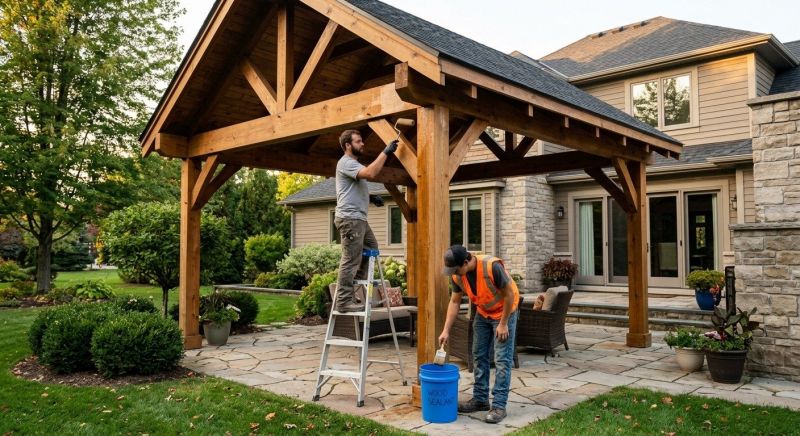
Wood Surface Sealing - Shields outdoor wood structures from rot, cracking, and fading.
Sealing Maintenance - Keeps sealed surfaces looking fresh and effective over time.
Veranda Sealing Questions
What is veranda sealing? Veranda sealing involves applying a protective coating to the surface to prevent damage from weather and wear.
Why should a veranda be sealed? Sealing helps preserve the appearance and integrity of the material, reducing the risk of cracks, rot, and other damage.
How often should a veranda be sealed? The frequency depends on the material and exposure, but typically every 1 to 3 years is recommended.
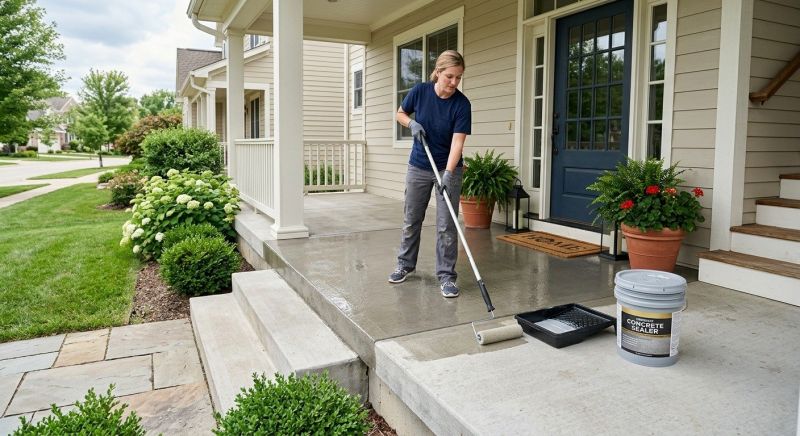
What types of materials can be sealed on a veranda? Common materials include wood, composite, and concrete surfaces, all of which benefit from sealing treatments.
Request Veranda Sealing in Kitsap County, WA
Use the quote form on this page to share the basics of your project and request more information for the type of work you need.